
-
- ENGLISH
- KHMER
News
-
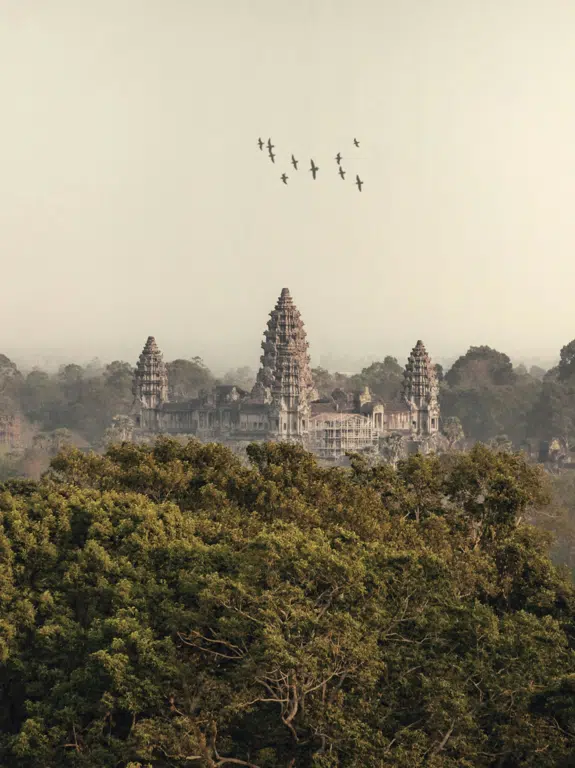
Pro-Tips for 2026 to visit Angkor Wat Temple
04/02/2026Visiting Angkor Wat in 2026 offers a blend of ancient wonder and modern convenience. With new digital payment systems, updated temple circuits, and strategic visiting hours, here are the pro-tips for your website to help travelers make the most of their journey.
1. Master the 2026 Ticket Strategy
The 3-Day "Sweet Spot": Most visitors should opt for the 3-day pass ($62). It’s valid for 10 days, allowing you to alternate temple days with rest days. The 1-day pass ($37) is often too rushed, and the 7-day pass ($72) is only $10 more than the 3-day, making it a steal for photography enthusiasts.
Buy the Night Before: Purchase your ticket online or at the counter after 4:30 PM. This allows you to enter the park immediately to catch a free sunset at Phnom Bakheng, and your "day 1" officially starts the next morning.
Go Digital: Use the official Angkor Enterprise website to buy tickets. You’ll receive a PDF with a QR code on your phone, which is much safer than carrying the physical paper ticket (losing a 3-day pass carries a $200 penalty).
2. Beat the 2026 Crowd Patterns
The "Reverse Route" Pro-Move: Instead of following the masses to Angkor Wat for sunrise, start at Pre Rup or Banteay Kdei at 6:00 AM. You’ll have these stunning structures almost entirely to yourself while 2,000+ people are crowded around the Angkor Wat reflection pond.
The 8:00 AM "Smart Start": Data from 2026 shows that 8:00 AM is a strategic window. As the sunrise crowds head back to their hotels for breakfast, the temples experience a 60-70% drop in foot traffic. You get better lighting for photos and more manageable temperatures (around 26°C).
Lunchtime Exploration: Visit the popular Bayon (The Face Temple) between 12:00 PM and 1:30 PM. While most tours are at lunch, the lighting hits the stone faces directly, and the crowds thin out significantly.
3. Essential Dress Code & Etiquette
Non-Negotiable Modesty: The dress code is strictly enforced in 2026. Both men and women must cover shoulders and knees.
Pro-Tip: Don’t rely on just a "throw-over" scarf; guards at the upper levels of Angkor Wat often reject them if they aren't permanent parts of the outfit.
Footwear Choice: Wear closed-toe trekking sandals or sneakers. The stones are uneven and can be slippery. Avoid flip-flops for the steeper climbs like the Bakan sanctuary (the top level of Angkor Wat).
Respect the Monks: You will see monks at many temples. Always ask before taking a photo. Women should never touch a monk or their robes.
4. 2026 Logistics & Tech
Ditch the Cash for Apps: Cambodia has gone digital. Download the Bakong or ABA app if possible, as almost every street vendor and tuk-tuk driver now accepts QR payments.
Grab is King: Download the Grab App for transparent pricing on tuk-tuks. A full-day hire for the "Small Circuit" should cost roughly $15–$20, but booking through the app ensures you aren't overcharged.
New Circuits: The APSARA National Authority has launched new "Temple Circuits" in 2026. Look for the newly installed signage at temples like Beng Mealea (now included in the standard pass) and Phimeanakas, which feature improved walking paths and historical info kiosks.
5. Packing Like a Pro
The "Temple Kit": Pack a lightweight daypack with:
2-3L of water (many hotels now offer reusable bottle refills).
High-SPF Sunscreen: Reapply every 2 hours; the 2026 humidity makes it sweat off fast.
Power Bank: Taking photos and using GPS for the massive 400 sq. km park will drain your battery by noon.
Electrolyte packets: Essential for avoiding heat exhaustion during the 11:00 AM–2:00 PM peak heat.
6. Seasonal Insider Info
Coolest Months: November to February.
Photographer’s Dream: Visit in June or September (Green Season). While there are occasional rain showers, the moss on the temples turns vibrant green, the dust is gone, and the crowds are at their lowest.
The Equinox: If visiting in March or September, check the dates for the Equinox. The sun rises exactly over the central tower of Angkor Wat—a bucket-list shot, but expect massive crowds.